By the time you see termites, the colony behind them is well established. We inspect for species and entry routes, then treat the soil, the timber and the entry points — the only approach that protects a building long-term.
Warning signs
- Mud tubes along foundations, walls or pipes
- Hollow-sounding wood when tapped
- Discarded wings near windows and doors after swarms
- Buckling paint or papery, blistered wood surfaces
- Frass (wood-coloured droppings) from drywood termites
Why act fast
- Structural damage to roofs, frames, floors and joinery
- Costly repairs that insurance typically doesn't cover
- Collapse risk in severe, long-ignored cases
- Lower property value and failed sale inspections
Our approach
01
Full inspection
We identify the species — subterranean, drywood or dampwood — and trace entry points and damage extent.
02
Soil & foundation treatment
Drilled-and-injected termiticide barrier stops subterranean colonies at the ground line.
03
Timber treatment
Infested and vulnerable wood is injected or surface-treated for lasting protection.
04
Monitoring & prevention
We advise on moisture control, wood-to-ground contact and recommend re-inspection schedules.
Before we arrive
- Clear access along skirtings and walls, indoors and out
- Move stored items off suspect timbers
- Fix leaking pipes and gutters before treatment where possible
- Keep pets and children away from drill sites during work
After treatment
- Don't disturb or seal drilled holes for the period we advise
- Repair leaks promptly — moisture invites re-infestation
- Book the follow-up inspection; termites probe defences quietly
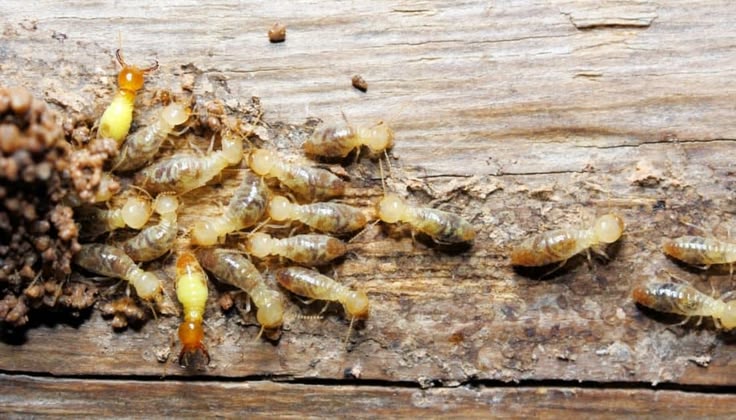
Know your pest
Common questions
Is termite treatment a once-off job?
A correctly applied soil barrier protects for years, but buildings shift and treatments age. We recommend an annual inspection — free for our treatment clients.
Can I treat termites myself?
Supermarket sprays kill the few termites you can see and push the colony deeper. Colony-level control needs professional products, volumes and application points.
Do you treat wooden furniture too?
Yes — drywood termites and wood-borers in furniture are treated by injection and surface application, on site.